
What if you never had to drag out a tangled box of Christmas lights again? Permanent holiday lighting is changing how Frisco homeowners think about seasonal decor, but the market is crowded with systems, price points, and installation options that can be hard to compare. Before you spend a dollar, it pays to understand exactly what you are buying, what it costs, and what questions to ask any installer.
- How Permanent Holiday Lighting Works for Frisco Homes
- System Types and Technology
- What Affects the Cost and ROI for Frisco Homeowners
- How a Frisco Roofline Installation Works, Step by Step
- Choosing the Right Installer
- Frequently Asked Questions
How Permanent Holiday Lighting Works for Frisco Homes
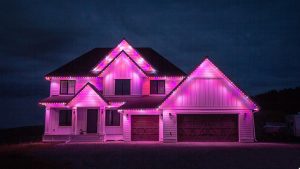
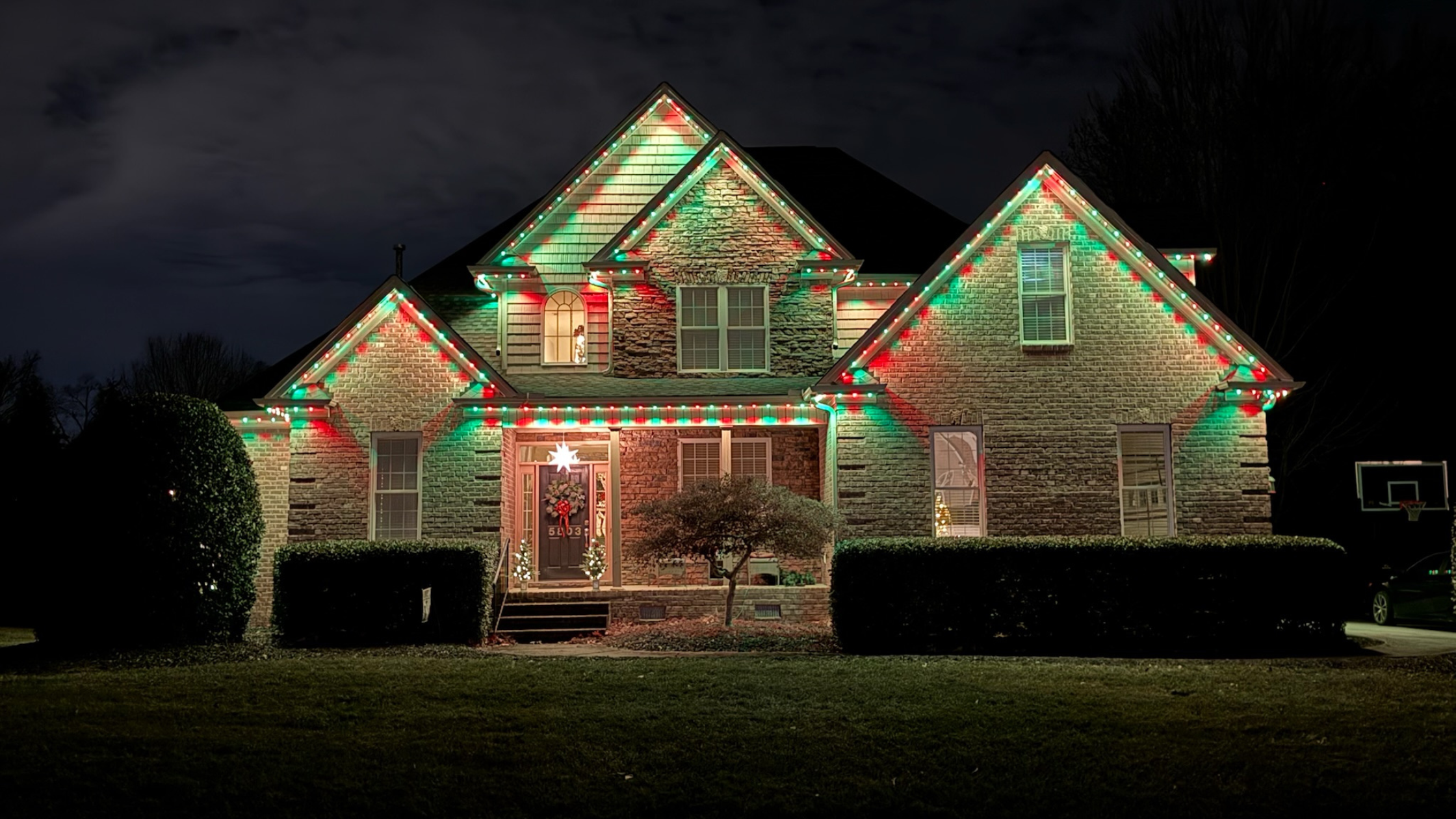
Permanent holiday lighting refers to LED fixtures installed directly into the roofline, soffit, or trim of your home so they stay in place year-round. Unlike clip-on string lights that go up in November and come down in January, these systems are built to last many years. You control colors, patterns, and schedules from a smartphone app, which means the same fixtures can display red and green for Christmas, orange for Halloween, and team colors for game day.
The core appeal is convenience paired with a polished look. Because the fixtures mount flush with your roofline or soffit lighting channels, there are no visible wires or clips during the months you are not running a holiday show. Your home looks clean and well-maintained all year, and you skip the annual ritual of climbing a ladder in December. For Frisco homeowners who entertain often or simply take pride in curb appeal, that combination is hard to beat.
It is also worth knowing what permanent holiday lighting is not. It is not a DIY weekend project for most homes. The fixtures need to be wired into a dedicated circuit, and the mounting has to be done precisely so water does not get behind the fascia. Done right, the system is virtually invisible when off and stunning when on.
System Types and Technology
Not all permanent holiday lighting systems are the same, and the technology you choose affects both the visual result and the long-term cost. The two main categories are point-source systems and linear systems. Point-source setups use individual pixel nodes spaced along a channel, creating a dot-light effect that works well for rooflines and gables. Linear systems use continuous LED strips and tend to suit architectural details and accent lighting applications under soffits or along pathways.
Within those categories, look for RGBW LEDs rather than plain RGB. The added white channel lets you produce true warm white and daylight tones, which matters when you want the lights to look elegant rather than garish. Pixel-mapped systems go one step further, letting you run animated sequences where each bulb is individually addressable. These are the setups you see doing chasing effects and scrolling displays. Brands like Gemstone Lights fall into this category and are popular across North Texas because the app control is straightforward and the hardware is weatherized for both summer heat and winter freezes.
Power consumption is another differentiator. Quality permanent LED lights draw a fraction of what traditional incandescent strands use, so running them regularly throughout the year is realistic without a painful electricity bill. Ask any installer about wattage per foot so you can compare systems accurately before you commit.
What Affects the Cost and ROI for Frisco Homeowners
Permanent holiday lighting is a real investment, and being honest about the numbers helps you plan. For a typical single-story Frisco home with 150 to 200 linear feet of roofline, installed cost depends on the system and the complexity of the roofline, and any additional zones like garage trim or porch columns. Larger two-story homes or those with intricate gables can run higher.
Compare that to the recurring cost of traditional holiday lights. When you factor in purchasing new strands each year, professional installation and takedown services (which recur every single season in the Dallas area), and storage, many homeowners recoup the permanent system cost within a few years. After that, the ongoing expense is essentially zero beyond occasional bulb replacement, which most quality systems handle with simple plug-in replacements.
There is also a property value angle. Curb appeal improvements that are tasteful and functional tend to resonate with buyers in competitive markets like Frisco. A permanently installed outdoor lighting system that works year-round is a more compelling feature than a box of old Christmas lights in the garage. We are not suggesting it adds a fixed dollar amount to your appraisal, but it does contribute to first impressions.
How a Frisco Roofline Installation Works, Step by Step
A professional permanent holiday lighting installation typically takes one to two days for an average Frisco home. The crew begins by measuring the roofline and mapping out zones, which determines how many controllers and power supplies you need. Then they mount the track or channel, run low-voltage wiring back to a central controller, and connect that controller to a dedicated circuit at your panel. The final step is pairing everything to the app and walking you through the controls.
Good installers pay close attention to weatherproofing at every penetration point. In Frisco, summers are hot and humid, and the occasional ice storm in winter means the system has to handle real temperature swings. The track should be mounted so water drains away from the fascia, and all connectors should be rated for outdoor use. Ask specifically about IP ratings: IP65 or higher is appropriate for exposed roofline fixtures in North Texas conditions.
The trim lights channel is usually installed in a color that matches your fascia, so when the LEDs are off, most visitors will not notice anything unusual about your roofline. That low-profile result depends on precise installation, which is one more reason to hire a crew with specific experience in permanent systems rather than a general handyman.
Choosing the Right Installer
Frisco has no shortage of contractors who will offer to hang lights, but permanent holiday lighting installation is a specialty. When you are evaluating installers, start by asking whether they install permanent systems exclusively or whether holiday lights are a side job they pick up in the fall. Dedicated permanent lighting companies invest in training and carry the right hardware, while seasonal crews often substitute cheaper components when supply runs short.
Ask to see photos of completed rooflines, not just lit-up glamour shots. You want to see what the track looks like during the day, how corners and peaks are handled, and whether the wiring is tidy. A well-installed permanent Christmas lights system should look intentional even when every bulb is dark. Also confirm that the installer pulls the appropriate permits if your municipality requires them and that they carry liability insurance.
Warranty terms vary by brand, so ask for them in writing, covering both parts and labor. Find out who you call if a section of lights stops working in February, and whether a technician will come to your home or whether you are mailing components back to a warehouse. Local installers who stand behind their work are generally easier to reach when something needs attention. For projects that include broader architectural lighting elements, confirm the installer has experience with both roofline systems and facade details.
At Marvelous Lights, we specialize in permanent holiday lighting for homeowners across the Frisco area. If you are ready to stop wrestling with seasonal strands and start enjoying a system that works every night of the year, we would love to walk you through your options. Contact us today for a free on-site estimate and let us show you what your roofline could look like.
Frequently Asked Questions
How long does permanent holiday lighting last?
Most quality permanent holiday lighting systems last many years. The LED fixtures themselves are rated for 50,000 hours of use, and the tracks and wiring are built for outdoor exposure. Warranty coverage varies by manufacturer, so ask for the terms in writing.
Can I control the colors and patterns from my phone?
Yes, virtually every modern permanent holiday lighting system includes smartphone app control. You can change colors, set schedules, run animations, and save custom scenes for each holiday. Most apps work on both iOS and Android and connect to the controller over your home Wi-Fi.
Will permanent holiday lights damage my roofline or fascia?
No, when installed correctly, permanent holiday lights do not damage your roofline. The mounting track attaches to the fascia with screws that are sealed against moisture, and a professional installer will use techniques that prevent water intrusion. Damage typically only occurs with improper DIY installation.
How much electricity do permanent LED holiday lights use?
LED permanent holiday lighting uses significantly less power than traditional incandescent strands. A typical 200-foot roofline system running RGBW LEDs draws roughly 150 to 300 watts at full brightness, which is comparable to running two or three standard light bulbs. Running them a few hours each evening adds only a few dollars to your monthly bill.
Do the lights look obvious on the roofline when they are turned off?
No, the track is available in colors that blend with common fascia shades, including white, brown, and black. When the LEDs are off, most people standing at street level will not notice anything different about your roofline. The profile of the channel is low, and there are no dangling wires or clips visible.
Is permanent holiday lighting a good fit for HOA communities in Frisco?
Often yes, but check your HOA guidelines first. Because permanent holiday lighting looks clean and unobtrusive during the day, many HOAs find it more acceptable than traditional clip-on strands. Some associations have specific rules about light colors or display hours, so bring those details to your installer before finalizing the design.