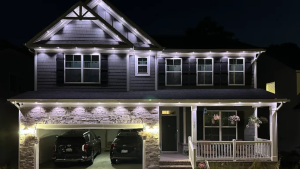

Permanent outdoor lighting is designed to be a long term upgrade. When chosen carefully, it enhances curb appeal, improves nighttime visibility, and provides year round flexibility. However, many homeowners make permanent lighting mistakes that affect durability, appearance, and long term performance.
Understanding these common permanent lighting mistakes can help homeowners avoid unnecessary expenses and ensure their lighting system performs reliably for years.
Choosing Based on Price Alone
One of the most common permanent lighting mistakes is focusing only on upfront cost. While budget considerations are important, selecting the lowest priced option can lead to compromises in material quality, installation standards, and long term durability.
Exterior lighting must withstand humidity, rain, wind, and seasonal temperature changes. In regions with fluctuating weather conditions, inferior materials may fade, loosen, or fail prematurely. According to the U.S. Department of Energy, LED lighting is significantly more energy efficient and longer lasting than traditional incandescent bulbs, making quality components an important factor in long term performance.
When evaluating cost, homeowners should consider lifespan, warranty coverage, and installation quality rather than focusing solely on the initial quote.
Ignoring Installation Quality
Another major permanent lighting mistake is underestimating the importance of professional installation. Even high quality lighting systems can underperform if spacing is inconsistent or mounting is not secure.
Improper installation can result in:
● Uneven brightness along the roofline
● Visible wiring or exposed hardware
● Loose tracks during seasonal expansion and contraction
● Increased maintenance needs
Permanent lighting should enhance architectural lines, not distract from them. Professional installers measure rooflines carefully to ensure balanced illumination and clean integration with the home’s structure.
To see examples of properly installed systems, homeowners can review completed projects here https://getmarvelouslights.com/gallery.
Overlooking Smart Control Capabilities
Modern permanent lighting systems often include smart features such as scheduling, dimming, and color customization. A common permanent lighting mistake is choosing a system that lacks flexibility for future needs.
Smart lighting controls allow homeowners to automate daily schedules, adjust brightness levels, and create preset scenes for holidays or gatherings. As smart home technology continues to grow in popularity, features that support automation contribute to both convenience and perceived value.
Industry research from Statista shows continued growth in smart home adoption across the United States, reinforcing the importance of choosing systems that integrate with modern living expectations
Selecting a system without smart capabilities may limit long term usability and reduce the overall benefit of permanent lighting.
Failing to Evaluate Warranty and Service Support
Permanent lighting is not a temporary decoration. It becomes part of the home’s exterior for many years. Another common permanent lighting mistake is failing to review warranty terms and service availability before installation.
A reliable system should be supported by clear warranty coverage and accessible service options. Homeowners should ask about response times, coverage length, and what components are included.
Choosing a provider that offers professional installation and ongoing support reduces risk and provides peace of mind.
Not Considering Daytime Appearance
Some homeowners focus exclusively on how the lights look at night. However, permanent lighting systems remain attached to the home during the day. One overlooked permanent lighting mistake is ignoring how the track blends with the roofline.
Color matched aluminum tracks that integrate cleanly into the soffit or fascia preserve the home’s daytime appearance. Visible or mismatched hardware can negatively impact curb appeal.
Professional design ensures that the lighting system enhances the home both day and night.
Overlighting or Poor Design Planning
More light does not always mean better results. Overlighting can create glare and visual clutter, diminishing the architectural beauty of the home.
Effective permanent lighting design focuses on balance and proportion. Even spacing and controlled brightness produce a refined look that complements the structure.
According to the Illuminating Engineering Society, thoughtful lighting design should enhance visibility and aesthetics without creating discomfort or excessive brightness
Planning placement and brightness carefully prevents the home from appearing overly bright or uneven.
Attempting Complex DIY Installations
While some homeowners consider installing permanent lighting themselves, roofline installation can involve working at height and connecting electrical components. A frequent permanent lighting mistake is underestimating the complexity of the process.
DIY systems may lack precise spacing or secure mounting. Inconsistent installation can lead to uneven illumination or future repairs. Additionally, improper electrical connections may create safety concerns.
Professional installation ensures secure fastening, proper spacing, and safe integration with the home’s electrical system.
Making a Confident and Informed Choice
Avoiding permanent lighting mistakes begins with research and realistic expectations. Homeowners should evaluate materials, installation standards, smart features, warranty coverage, and long term support before making a decision.
Permanent lighting is designed to be a durable, year round enhancement. When selected carefully and installed professionally, it provides consistent curb appeal, improved visibility, and modern convenience.
By understanding the most common permanent lighting mistakes, homeowners can make informed choices that protect their investment and deliver lasting performance.Contact us today for a free consultation.